
DATA CENTERS & AI
Contain the risk.
Keep the building running.
Cooling, power, alarms and access depend on connected controls.
A security response that cuts off the wrong device can interrupt the service it was meant to protect.
AI HALLS
Less room for error.
Dense GPU systems can concentrate a large heat load in a rack. Liquid cooling adds pumps, flow measurements and leak monitoring to the systems the facilities team needs to understand.
The time available after a cooling interruption depends on the load, design and backup capacity. Confirm your site’s limits before changing access to a controller.
Technical context: NVIDIA’s hybrid cooling architecture. This is not evidence of Findavi support for that equipment.
Read the threat briefingBOOK FOUR / ELDAD MATITYAHU
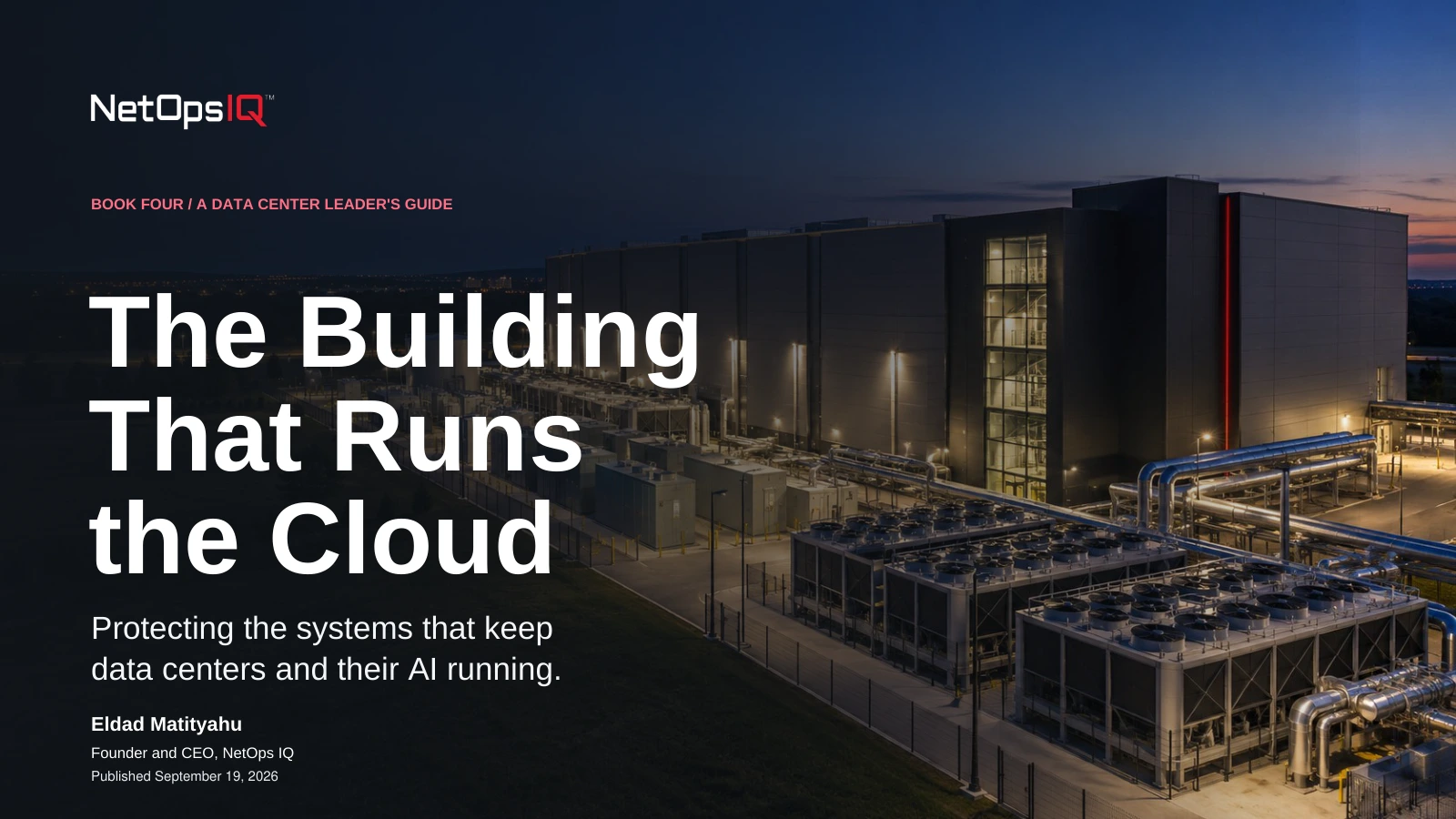
The Building That Runs the Cloud
Can we contain the risk without causing the outage?
Ten chapters on the building systems around the GPUs. Read online or download the complete book without a form.
The scope stays clear.
Findavi works on the connections and devices around your building controls. It does not change control logic. Control and safety decisions stay with your facilities team. Findavi's AI runs on the appliance itself. No outside AI. The network data it collects never leaves your site.
Support for each liquid-cooling device and proposed action must be confirmed at your site. GPU hardware and the fast network between GPUs are outside this scope.
No data-center pilot results are shown here yet. The book’s data-center scenario is illustrative; its real results come from other industries.
START WITH ONE CRITICAL SYSTEM
Findavi Uptime Blind Spot Assessment
A scoped, on-site, listen-only assessment of connected devices, exposed paths, accountable owners and supported response options.
One server hall, one cooling zone, or one vendor access path. A typical assessment takes a few days, depending on the size of the site.
Request an assessmentThe assessment only listens. Any later action needs separate approval: choose Observe, Approve or Autonomous for each device. Control and safety decisions stay with your facilities team.